

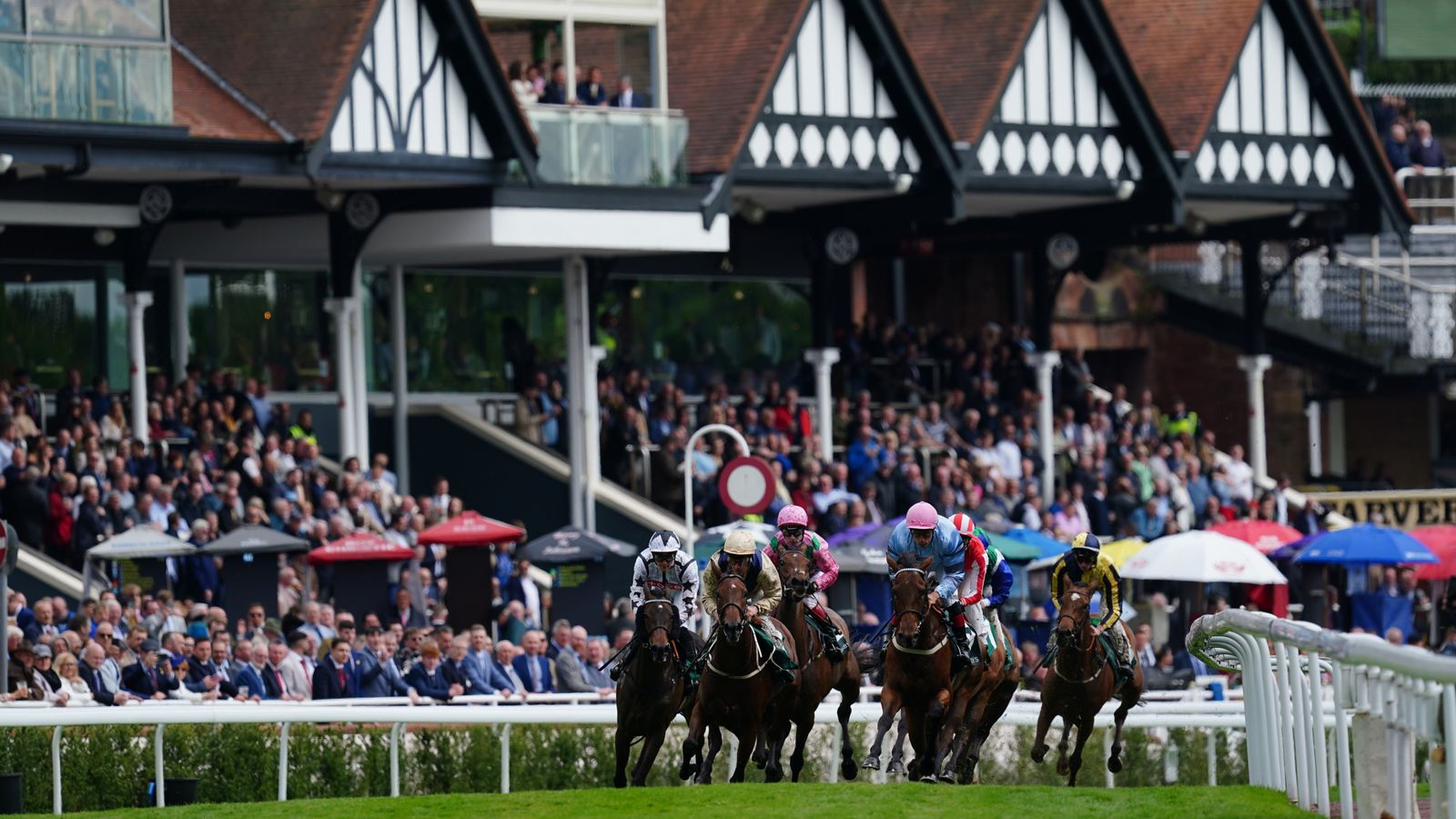
Horse racing has long been a cornerstone of British culture, attracting thousands of enthusiasts who gather at tracks to witness the excitement of each race. However, in recent times, the events have been facing interruptions that have left both fans and industry players concerned. Particularly, discussions surrounding UK horse racing not on GamStop horse racing betting sites not on GamStop bring to light an important consideration in today’s gambling landscape. With the increasing frequency of events being cancelled or postponed, it is essential to delve deeper into the underlying factors that are causing these disruptions.
Historically, horse racing has been celebrated for its tradition and prestige, but recent developments have disrupted this rich heritage. To understand the current state of UK horse racing, one must consider various elements, including regulatory changes, the impact of the pandemic, and shifts in public interest.
1. Regulatory Changes and Their Effects
The horse racing industry operates under a stringent regulatory framework designed to ensure the welfare of the horses and the integrity of the sport. In recent years, multiple changes to these regulations have emerged, often causing uncertainty among organizers. New safety measures, incorporating stricter health checks and enhanced monitoring, have put additional pressure on racecourses and owners. This has sometimes led to events being postponed or outright cancelled.
Additionally, the introduction of measures related to gambling, including the ongoing discussions about the Gambling Act review, has left many stakeholders in flux. Bookmakers, racecourses, and owners are cautiously navigating the changes, with some promoters electing to postpone events until clarity is achieved.
2. Impact of the COVID-19 Pandemic
The global pandemic has had a monumental effect on horse racing, as it has on various sectors. Initially, race days were entirely suspended, causing significant financial strain on racecourses and industry professionals alike. While races resumed under strict adherence to health guidelines, many fans remained apprehensive about attending in person.
The lingering effects of COVID-19 are evident, and although crowds are allowed back, concerns regarding public health continue to influence attendance and participation. These factors contribute to the hesitancy some organizers feel about holding large-scale events, leading to further cancellations and delays.
3. Shifts in Public Interest and Engagement
Interest in horse racing has always ebbed and flowed, and in today’s rapidly changing entertainment landscape, the competition for attention has shifted substantially. With options like virtual reality, e-sports, and an array of streaming services available, younger audiences are often more drawn to digital forms of entertainment than traditional sports.
This shift means that racecourses must work harder to engage and attract spectators. Events that fail to innovate or adapt to current trends may find themselves struggling for attendance, which could lead to further cancellations if financial viability continues to falter.
4. Economic Considerations
Furthermore, the economy plays a crucial role in the viability of horse racing events. Rising costs associated with hosting races, coupled with fluctuating consumer spending behaviors, have created a precarious environment. Many race organizers are re-evaluating their financial models and making tough decisions about which events are essential.
With the rising costs of racing, including horse care, transportation, and insurance, the economics of organizing these events have come into sharper focus. If the revenue streams from ticketholders do not meet the operational costs, it can lead directly to the cancellation of events.
5. The Future of UK Horse Racing
Despite the series of challenges facing horse racing in the UK, there are also signs of potential recovery and adaptation. Innovations in technology, including live streaming and enhanced betting platforms, have opened new channels for fan engagement. Additionally, racecourses are increasingly exploring partnerships with local businesses and attractions to create more comprehensive experiences for attendees.
As the industry moves forward, stakeholders will need to capitalize on emerging trends to attract a new generation of horse racing enthusiasts. Rethinking event formats, improving accessibility, and promoting the thrilling aspect of horse racing can breathe new life into the sport.
Conclusion
The landscape of UK horse racing is undoubtedly changing, with recent months highlighting substantial challenges that could affect the future of the sport. While regulatory changes, the impact of the pandemic, and shifts in public interest have all contributed to the current state of affairs, there remains hope among enthusiasts for a revitalization of events and experiences. By embracing innovation and responding to market trends, the UK horse racing industry has the potential to not only survive but flourish in the years to come.