

ARTICLE:
Esports, a term that’s often associated with huddled teenagers and frantic keyboard typing, has evolved into a complex and far-reaching industry that’s drawing in millions of fans and generating billions of dollars in revenue. It’s not just about competitive gaming – it’s a full-fledged entertainment phenomenon that’s transforming the way we consume sports and leisure.
Early Days and Rapid Growth
The seeds of esports were sown in the early days of computer gaming, but it wasn’t until the late 1990s that the concept started to gain traction. The first major esports tournament, the Cyberathlete Professional League (CPL), was founded in 1997 by a group of enthusiasts in North America. As the CPL’s success snowballed, it spawned a wave of similar competitions, and by the mid-2000s, esports had begun to break into the mainstream.
Fast-forward to today, and the numbers are staggering: the esports industry is projected to reach a valuation of over $1.5 billion by 2025, with the number of professional players increasing from a few thousand in 2010 to over 600,000 today. Major esports organizations like Team Liquid and Cloud9 have become household names, and games like League of Legends and Dota 2 have amassed millions of fans worldwide.
The Business Side of Esports
So, what’s driving the business side of esports? It’s a potent mix of factors, including the rise of online streaming platforms, the growth of social media, and the increasing popularity of gaming PCs and consoles. As a result, major brands are now investing heavily in esports, recognizing the opportunity to connect with a passionate and dedicated audience.
In this new landscape, esports teams and players are treated like traditional athletes, with sponsors, agents, and managers working to secure lucrative deals and endorsements. Top players can earn millions of dollars in prize money and salaries, with some even becoming celebrities in their own right.
From Esports to Online Entertainment
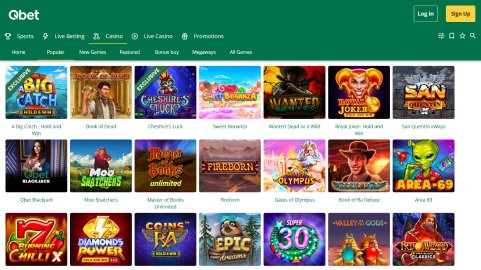
As the esports industry continues to grow, it’s naturally attracting more people to online gaming and entertainment, making it an ideal time to explore the world of online casinos, where you can find a casino bonus qbet and experience the thrill of gaming in a new and exciting way.
The Future of Esports
So, what lies ahead for esports? As the industry continues to mature and evolve, we can expect to see even more mainstream recognition and acceptance. The rise of virtual and augmented reality technologies is also likely to play a major role in the future of esports, offering a new and immersive way to engage with games and tournaments.
One thing is certain: esports is here to stay, and it’s only going to continue to grow and evolve in the years to come. Whether you’re a fan, a player, or just a curious observer, there’s never been a better time to get involved in this exciting and rapidly changing industry.
Frequently Asked Questions
What is esports and how did it start?
Esports originated from the early days of computer gaming and has since evolved into a global phenomenon, with a massive fan base and significant revenue generation.
How big is the esports industry?
The esports industry has grown rapidly, generating billions of dollars in revenue and attracting millions of fans worldwide.
What types of games are popular in esports?
Games such as League of Legends, Dota 2, and Overwatch are among the most popular titles in the esports scene.